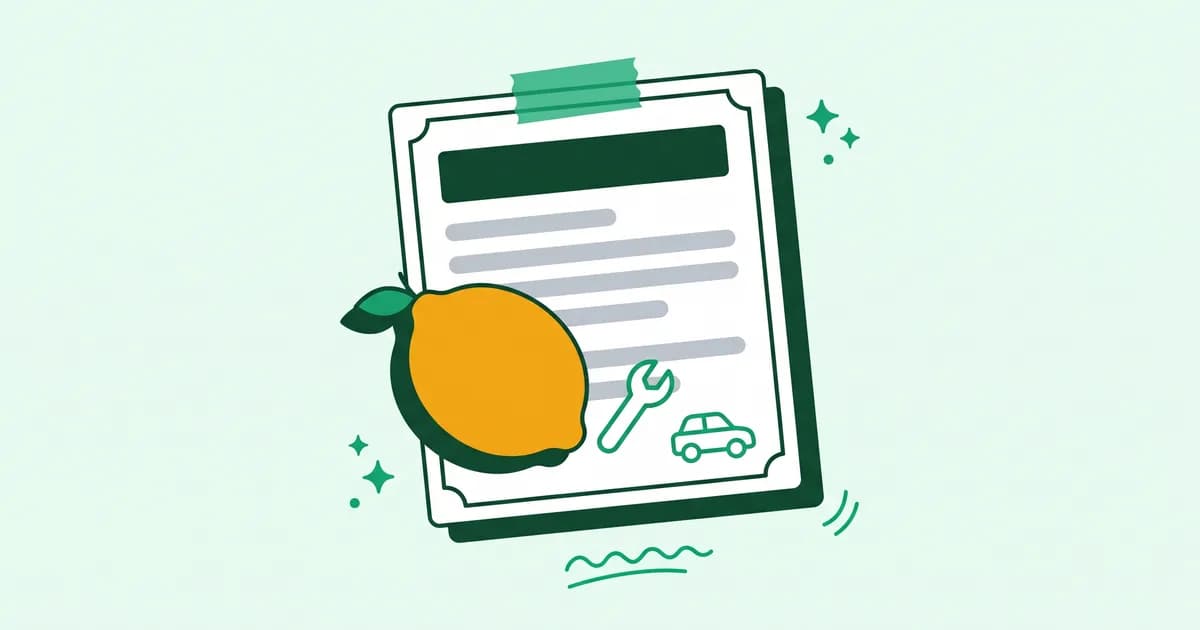
A lemon title is a title brand that marks a vehicle its manufacturer bought back because of a defect it could not fix under warranty. The vehicle can be resold, but in many states its title must carry the brand so the next buyer knows. A title check by VIN shows whether a lemon brand was recorded in any state.
Where lemon titles come from
Every state has a lemon law. These laws protect buyers of new vehicles, and in some states leased or used ones, that have a serious defect the manufacturer cannot repair in a reasonable number of attempts. If the vehicle qualifies, the manufacturer must replace it or buy it back.
What counts as "a reasonable number of attempts" is set by each state. Common tests are several repair attempts for the same problem, or the vehicle being out of service for a set number of days, within a set time or mileage after delivery. A federal law, the Magnuson-Moss Warranty Act, also governs warranties, but the buyback rules come from the states.
What happens after a buyback
Once the manufacturer buys a vehicle back, it usually sends it to auction or to a dealer for resale. Many states then require:
- A title brand, with wording such as "lemon", "lemon law buyback", "manufacturer buyback" or "warranty return".
- A written disclosure to the next buyer, stating the defect and whether it was repaired.
Some states have stricter rules than others, and some do not require a brand at all. The wording also varies, so a brand can look different from one state to the next.
Why the brand can go missing
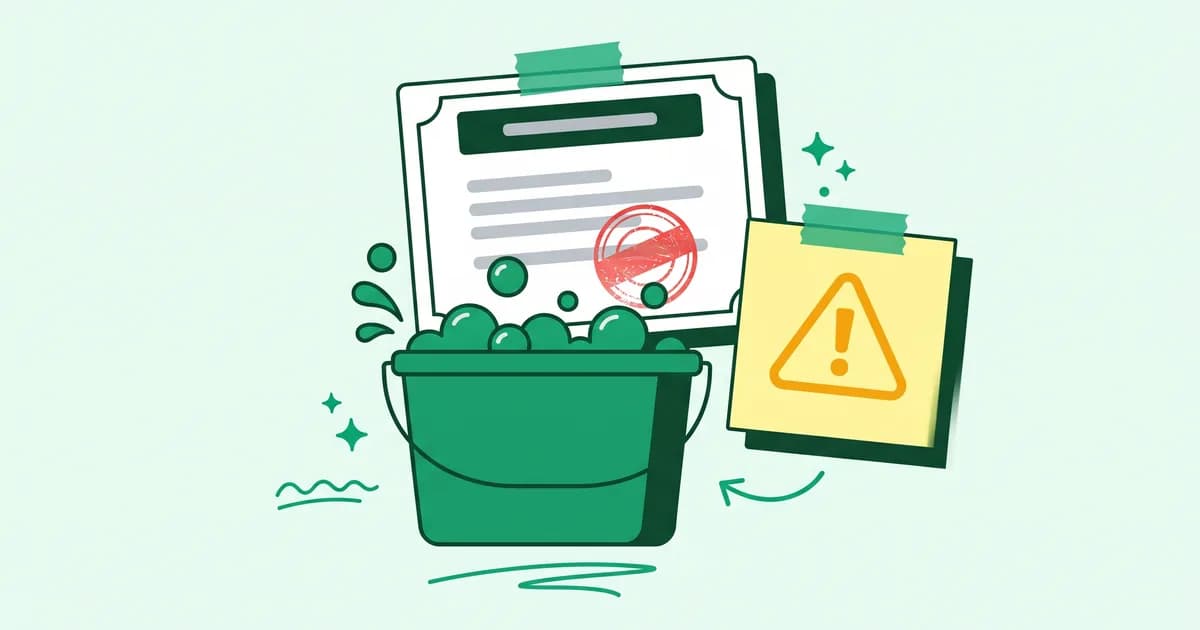
When a bought-back vehicle is retitled in another state, its brand may be recorded under a different name, or not carried over. A vehicle can also be bought back through a private settlement rather than a formal lemon law claim, which may not lead to a brand. That is why the full title history, across every state, matters. See title washing.
Should you buy a lemon-title vehicle?
It can be a reasonable buy, because lemon-title vehicles usually sell well below similar vehicles. The risk depends on the defect.
- Find out what the defect was. A recurring infotainment fault is very different from a transmission, brake or steering problem.
- Ask whether it was fixed, and for the repair records and the buyback disclosure.
- Check the warranty. Ask the manufacturer whether any warranty still applies after the buyback.
- Check open recalls with NHTSA's recall lookup.
- Get insurance and financing quotes first. Some insurers and lenders treat branded titles differently.
- Get an independent inspection, focused on the reported defect.
How it affects resale
A lemon brand usually stays with the vehicle and lowers what the next buyer will pay. If you buy one, expect the same discount when you sell it, and keep every repair record to show the defect was fixed.
Lemon title vs salvage title
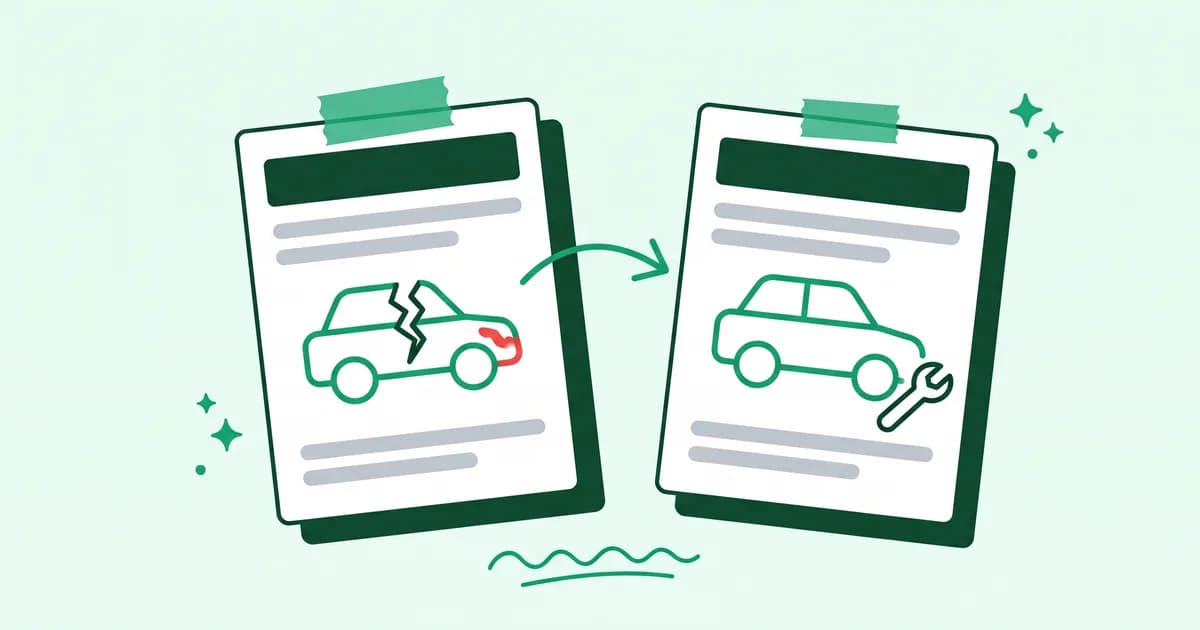
A lemon title is about a defect the manufacturer could not fix. A salvage title is about damage, usually from an accident, flood or fire, that made the vehicle a total loss. A vehicle can carry both if it was damaged later. See salvage vs rebuilt title.
Frequently asked questions
Do lemon laws cover used cars?
In most states, lemon laws cover new vehicles, and sometimes a used vehicle still under the original warranty. A few states have separate used-car lemon laws. Check your state's rules.
Can a lemon title be removed?
In most states, no. The brand is meant to stay with the vehicle for every later owner.