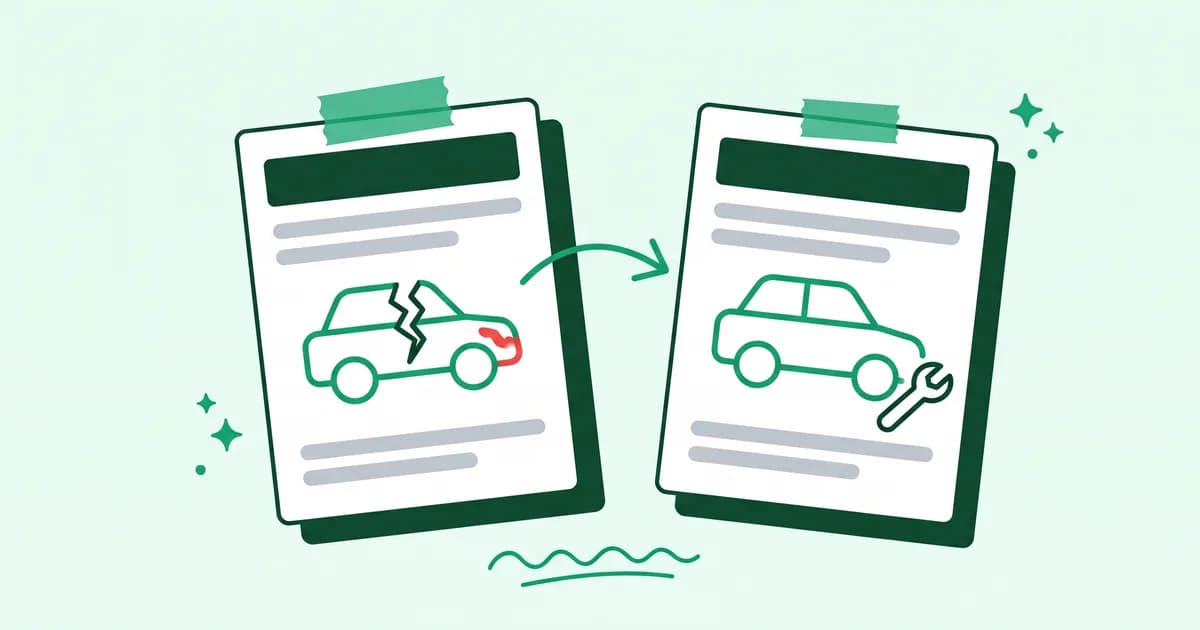
Title washing is the practice of getting a branded vehicle a new title that no longer shows its brand, so it can be sold as if it had none. The brand is usually salvage, flood or lemon, and the trick usually relies on moving the vehicle between states. A title check by VIN shows the brands recorded in each state, which is the most direct way to catch it.
Why title washing is possible
There is no single national title. Each state issues its own titles and sets its own rules for brands: which events lead to a brand, what the brand is called, and what happens to it when a vehicle arrives from another state. A vehicle branded "salvage" in one state can be retitled in another that uses a different name, a different damage threshold, or in some cases no matching brand at all.
When a brand is not carried over, the new title can look unbranded even though the vehicle's past has not changed.
How it usually happens
- Retitling in a state with different rules. The vehicle is registered in a state where the earlier brand is not recognised or is recorded under a weaker name.
- Several moves in a short time. Each new title adds distance from the original brand.
- False paperwork. Some cases involve forged documents, false statements on a title application or an application for a replacement title. These are crimes in every state.
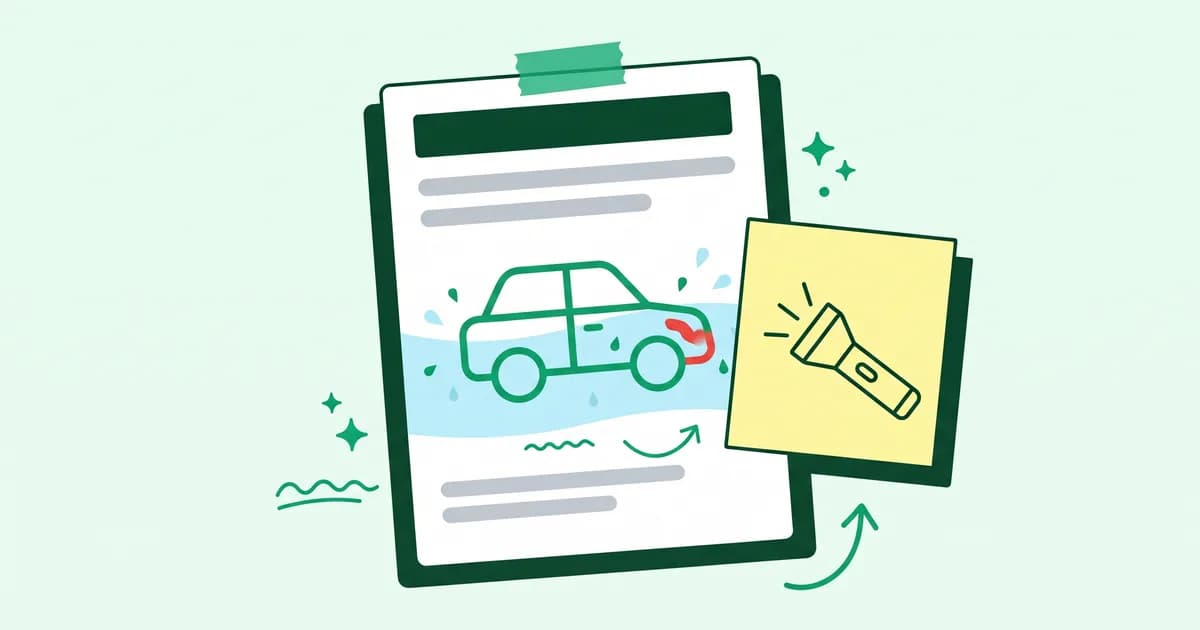
Flood-damaged vehicles are a common target after major storms, when large numbers of them reach the market at once. See how to spot a flood-damaged car.
What NMVTIS does about it
The National Motor Vehicle Title Information System (NMVTIS) is a federal database run under the US Department of Justice. It was created to make title washing harder: states, insurers, and junk and salvage yards report title and brand data to it, so a brand recorded in one state can be seen by others. Consumers can buy NMVTIS reports from approved providers listed at vehiclehistory.gov.
NMVTIS helps, but it depends on what was reported. Older records and vehicles from before a state began reporting can still have gaps.
Warning signs
- A recent title from a different state than the one where the vehicle spent most of its life.
- Title transfers between states in quick succession, especially soon after a storm or a reported accident.
- A price well below similar vehicles with no clear reason.
- Signs of flood or major repair: damp or new carpet, silt under the seats, corrosion in odd places, mismatched paint or panel gaps.
- A seller who cannot show earlier titles or repair documents.
- An auction record with damage photos for a vehicle now sold as having no history of damage.
How to check a title
- Read the whole title history, not only the current title. In a report, look at every title event and every brand by state. See how to read a vehicle history report.
- Compare the VIN on the title, the dashboard and the door jamb.
- Run a free check with NICB VINCheck. The National Insurance Crime Bureau's VINCheck shows whether participating insurers reported the vehicle stolen and not recovered, or as a salvage vehicle.
- Ask for the paperwork: earlier titles, the inspection report from rebuilding and repair invoices.
- Get an independent inspection from a mechanic you choose.
What to do if you find a washed title
If the title history shows a brand that the current title does not, do not rely on the current title. Ask the seller to explain it in writing. If you have already bought the vehicle, keep your documents and contact your state's title or motor vehicle office and its consumer protection office. Title fraud rules and remedies vary by state.
Frequently asked questions
Is title washing illegal?
Knowingly hiding a title brand to sell a vehicle is fraud in every state. Moving a vehicle between states is not illegal by itself; the problem is concealing its history.
Does a clean-looking title mean the vehicle was never branded?
No. It means the current title shows no brand. Check every earlier title in every state before you treat it as unbranded.